
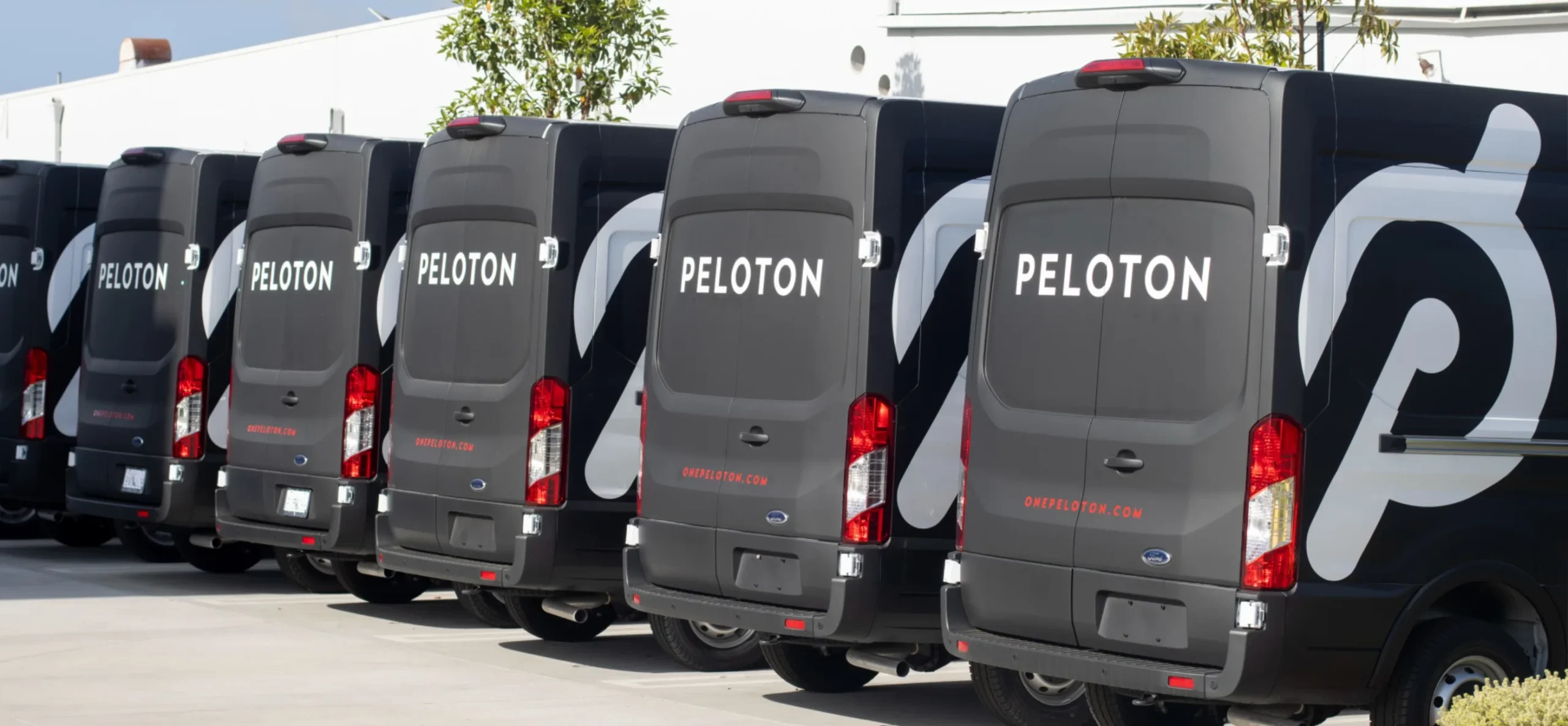
A product can be loved and still become a hard business to run. The Peloton business model proved that point in public, under pressure, while millions of Americans were rethinking home fitness, subscriptions, and expensive gear. The real lesson is not that Peloton made a bad bike. The bike was often admired. The instructors built loyalty. The brand had culture. What broke was the belief that pandemic demand, premium hardware, and monthly payments would keep feeding each other at the same pace. By Q3 FY2026, Peloton reported $631 million in quarterly revenue and net income of $26 million, yet paid connected fitness subscriptions were still down 7.6% year over year. That mix tells the story: better discipline, weaker growth. Product teams, founders, and operators should study this case because it shows how a strong customer experience can hide a fragile operating engine. For deeper business visibility, brands often need sharper market positioning and media strategy before demand slows and the story gets harder to control.
The Demand Spike Was Not the Same as Durable Product Market Fit
Peloton’s rise felt clean from the outside: people were stuck at home, gyms were closed or risky, and a high-end connected bike made workouts feel social again. The tension came later. A forced lifestyle shift can look like product market fit, but it may only be a temporary change in the customer’s room, schedule, and fear level. That difference matters for every founder studying product company lessons from the boom-and-fade cycle.
Why pandemic behavior fooled smart teams
During lockdowns, a Peloton bike solved several problems at once. It replaced the gym, gave structure to the day, and made exercise feel less lonely. For a household in Chicago, Dallas, or suburban New Jersey, the purchase could feel like a health investment rather than a luxury splurge.
The hidden trap was that many customers were not buying a forever habit. They were buying relief. Once gyms reopened, commutes returned, and family routines shifted, the bike had to compete with yoga studios, running clubs, cheaper apps, and normal life. That is a different contest.
Here is the non-obvious part: high usage during a crisis can make a company less careful. Strong engagement may cause teams to assume the product has become part of the customer’s identity. Sometimes it has. Sometimes the product is only renting a moment.
What product teams should measure before they scale
A better test is not “Did people buy?” It is “What happens when the original pressure disappears?” Product teams should track repeat use after the customer has other choices again. They should watch resale activity, support complaints, subscription pauses, and the gap between paid users and active users.
Peloton’s later numbers showed why this matters. In Q3 FY2026, the company said members were down 5% year over year, while paid connected subscriptions were down 8% year over year. That is not a dead brand. It is a brand fighting to keep the installed base engaged.
For any U.S. product company, the lesson is plain: demand created by a rare event should be discounted before you build factories, leases, headcount, and Wall Street promises around it. Growth feels safest when it is loud. Often, it is safest when it survives boredom.
What the Peloton Business Model Collapse Reveals About Hardware Risk
Hardware makes a brand feel real. Customers can touch it, show it off, and build rituals around it. But hardware also brings inventory, shipping, repair, financing, safety duties, and slower fixes. That is where the connected fitness strategy became harder than a normal app business. The product was not only software, media, or community. It was a costly machine sitting in American homes.
The bike was a front door, not the whole house
The smartest version of Peloton was never only a bike company. The bike was the front door into classes, instructors, metrics, music, and status. That is why subscription fitness revenue mattered so much. In Q3 FY2026, Peloton reported $428 million in subscription revenue, compared with $202.9 million from connected fitness products.
That split shows the dream. Sell the device, then earn monthly payments for years. Many product founders want that model because it blends a physical product with recurring revenue. The trouble is that the first sale can become too expensive to feed.
A premium device also narrows the market. A $2,000-plus bike asks for space, money, commitment, and confidence. That is a tall ask when inflation, rent, childcare, student loans, and credit card balances are already pressing on U.S. households.
Product safety can become a business model issue
Hardware risk is not abstract. In 2021, the U.S. Consumer Product Safety Commission and Peloton announced recalls of the Tread+ and Tread after reports tied to serious safety concerns, including one child death and more than 70 incidents. In November 2025, CPSC also announced a recall of about 833,000 Original Series Bike+ units because the seat post assembly could break and create fall and injury hazards.
This is where many founders miss the point. Recalls are not only legal or operations events. They can change how customers feel when they look at the product in their home. A connected device that once felt premium can begin to feel like a burden.
The counterintuitive lesson is that hardware can weaken a subscription business even when the subscription is profitable. A damaged device story can raise service costs, slow referrals, and make new buyers hesitate. The best customer retention strategy cannot fully protect a company from trust lost at the product level.
Recurring Revenue Did Not Remove the Need for Fresh Demand
Subscriptions can make a company look steady. They smooth cash flow, improve forecasting, and please investors who dislike one-time sales. Yet subscription fitness revenue is not magic. People still cancel, pause, downgrade, or drift away. A product company must keep earning the monthly charge after the excitement of purchase fades.
Why loyal members were not enough
Peloton built a rare kind of loyalty. Instructors became part of customers’ mornings. Leaderboards created light competition. Badges, streaks, and music made workouts feel personal. For many users, the app was not a file of videos. It was a habit loop.
Still, loyalty has a ceiling when the total audience stops growing. If fewer households buy the hardware, fewer new people enter the higher-priced membership path. If used bikes circulate through Facebook Marketplace, Craigslist, and local resale groups, the company must find ways to earn from second-hand ownership too.
Peloton has tried to widen the funnel through app memberships, rental options, retail partners, commercial equipment, and content partnerships. Its Q3 FY2026 update said it launched a content licensing partnership with Spotify and announced Peloton-branded commercial Tread and Bike products for high-use settings. That is a sign of adaptation, not a return to the old story.
The price of a habit must match the household mood
A subscription is easy to start and easy to question. When a family reviews monthly charges, fitness apps sit beside streaming services, meal kits, storage apps, and school software. Even a loved service can be cut if it feels underused.
That makes product pricing strategy more than a finance exercise. It is a trust exercise. Customers ask themselves whether the product still fits who they are now, not who they were when they bought it. A Brooklyn apartment renter who rode five times a week in 2021 may have a different life in 2026.
The non-obvious lesson is that churn can be emotional before it becomes financial. People do not always cancel because the product failed. They cancel because it reminds them of a version of themselves they no longer maintain.
For product teams, the fix starts with use-case renewal. Give customers new reasons to return before they feel guilty for leaving. Strength training, walking, Pilates, recovery, coaching, and social features all matter because they reduce dependence on one hero product. A strong connected fitness strategy must grow with the customer’s life, not freeze them in the year they first purchased.
The Turnaround Shows the Difference Between Better Operations and Better Growth
Peloton’s recent performance is more complicated than a simple collapse story. The company has cut costs, improved margins, reduced net debt, and reported profitable quarters. In Q3 FY2026, operating expenses fell 22% year over year, adjusted EBITDA rose 41%, and free cash flow reached $151 million. That is real progress. But progress on the income statement does not automatically solve the demand problem.
Cost cuts can buy time, not identity
A business under pressure has to get leaner. That part is not optional. Closing showrooms, reducing headcount, tightening marketing, and improving supply chain costs can help a company survive the period after demand cools. Peloton reported in its Q4 FY2025 shareholder letter that it reduced its retail showroom footprint from 37 to 13 locations, excluding microstores.
But cuts do not tell customers why they should care again. That is the hard part. A lean company can still feel stale if the product story has not changed.
This is one of the sharper product company lessons from Peloton’s path. Efficiency can make the business healthier while the brand still needs a new reason to be chosen. Those are two separate jobs, and mixing them up leads to weak strategy.
A better business may look smaller than the old dream
The market once treated Peloton like a category-defining platform that could place expensive equipment in homes across America. The current version may become a steadier mix of subscriptions, apps, commercial fitness, licensing, and selected hardware refreshes. That could be a better business. It may also be a smaller one than the pandemic dream.
That idea can feel like defeat, but it is often maturity. Not every product should chase the largest possible market after demand proves narrower than hoped. Some brands need to accept a more focused audience and serve it with discipline.
For founders, the answer is not to avoid hardware, subscriptions, or community. The answer is to avoid confusing temporary heat with permanent demand. Build the company so it can breathe if sales slow. Keep fixed costs honest. Treat safety and service as part of the brand. Use business growth planning to test what happens when the easy market dries up.
Peloton’s recovery attempts show that a company can repair parts of the machine after the story breaks. But repair is harder than restraint. The best time to question growth quality is when everyone is still cheering.
Conclusion
Peloton’s story should make product leaders less romantic about momentum. A beloved brand, strong content, and loyal users can still sit on top of a fragile growth base if the company mistakes urgency for lasting demand. The Peloton business model is a warning about what happens when hardware, subscriptions, culture, and investor expectations all rise together faster than normal customer behavior can support. The better lesson is not “avoid the model.” It is “respect the weight of the model.” If you sell a physical product, every repair, recall, delivery delay, resale listing, and support ticket becomes part of the customer experience. If you charge monthly, every billing cycle asks the buyer to vote again. Product companies that study Peloton with clear eyes will build slower where needed, test demand after the hype, and protect trust before growth turns expensive. Build the machine you can still run when applause gets quiet.
Frequently Asked Questions
What caused Peloton’s business problems after its pandemic growth?
Demand cooled after gyms reopened, household routines changed, and many buyers no longer needed home fitness equipment with the same urgency. Peloton also faced high hardware costs, safety recalls, subscription pressure, and the burden of expectations set during an unusual demand spike.
Is Peloton still a successful company in 2026?
Yes, but in a different way than during its peak. Recent results show improved profit measures and stronger cash flow, while subscriber counts remain under pressure. That means Peloton is becoming more disciplined, but it has not fully solved its growth challenge.
What can startups learn from Peloton’s rise and fall?
Startups should separate temporary demand from lasting customer behavior. A rush of sales during a rare event can hide weak repeat demand. Teams should test retention, usage, support costs, and price sensitivity before expanding fixed costs around peak conditions.
Why is hardware harder than software for product companies?
Hardware brings manufacturing, inventory, shipping, repairs, safety testing, recalls, and physical wear. Software can often be changed faster. A hardware mistake sits in the customer’s home, which makes trust harder to regain after something goes wrong.
How did subscriptions help Peloton’s business?
Subscriptions gave Peloton recurring revenue after the original equipment sale. That helped smooth income and build long-term customer relationships. Still, subscriptions only work when customers keep using the service and feel the monthly price remains worth paying.
What role did brand community play in Peloton’s success?
Community made Peloton feel bigger than fitness equipment. Instructors, leaderboards, music, badges, and shared routines created emotional attachment. That loyalty helped retention, but it could not fully offset slower hardware demand or changing household habits.
Are recalls a major lesson from the Peloton case?
Yes. Recalls show how product safety can affect brand trust, customer confidence, and operating costs. For connected hardware companies, safety is not a side department. It is part of the product promise and the long-term business model.
What is the biggest product strategy mistake Peloton made?
The biggest mistake was treating a demand surge as if it represented stable, long-term behavior. The company scaled around a moment when customers had fewer fitness choices. Product leaders should prove demand under normal conditions before building for peak demand.
About the Author